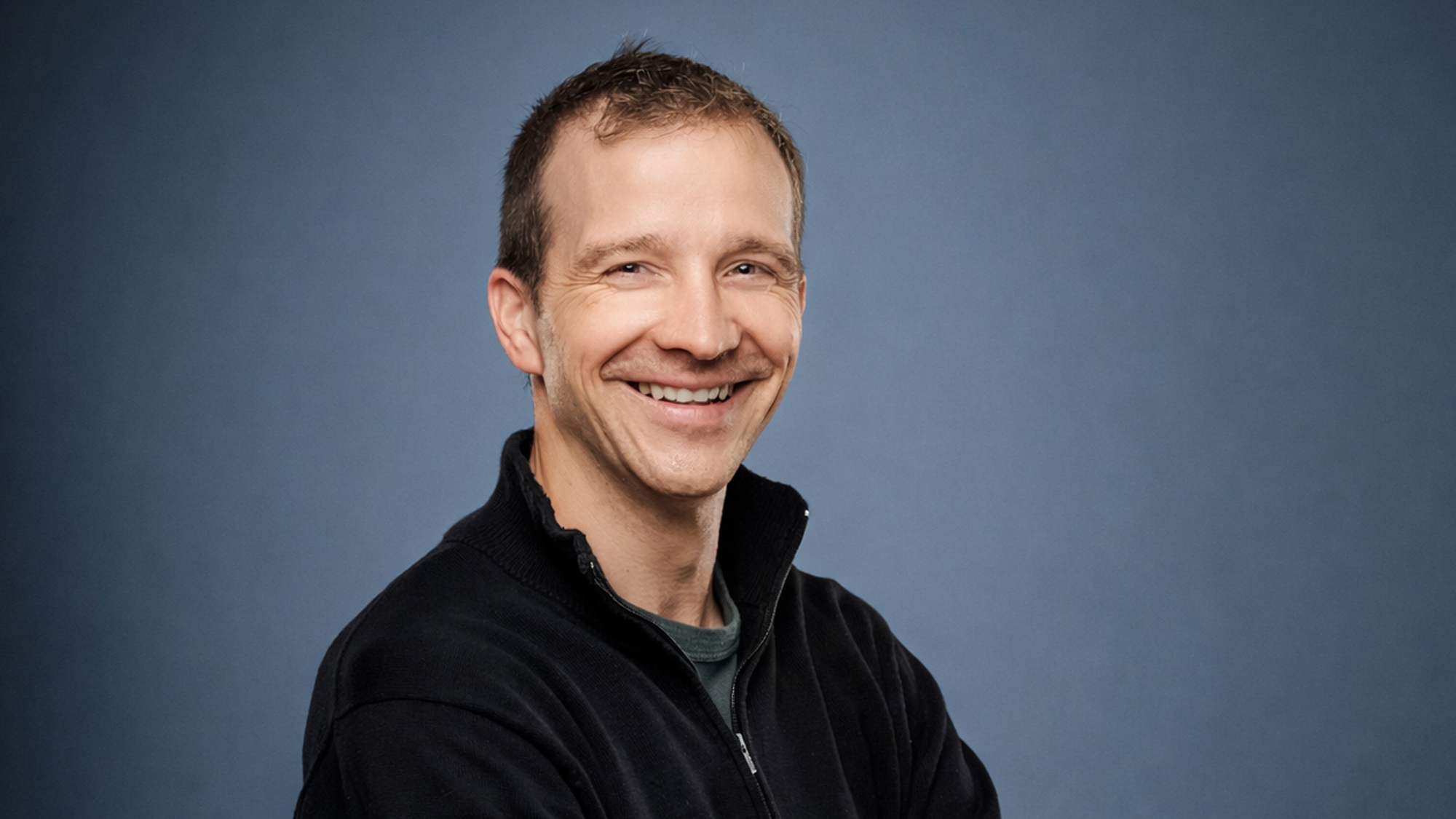
“For me, the news that there was someone with matching HLA markers was like winning the lottery.”
Christian Bregy, stem cell donation recipient“For me, the news that there was someone with matching HLA markers was like winning the lottery.”
Christian Bregy, stem cell donation recipient
For many patients, hope begins with a search. The Swiss Registry of Blood Stem Cell Donors combines high-quality medical data with international networks, enabling it to identify matching donors around the world and coordinate transplant procedures.
Targeted recruitment measures and the continual updating of registry data make it easier to contact potential donors and increase the chances of obtaining a matching donation for patients quickly.
The key metrics for 2025 reflect steady growth and a desired decrease in the average age of donors. In addition, quality of registry data continued to improve.
Size
199’783 persons registered (previous year: 190,800)
→ Continual growth
Age structure
Average age: 38,0 (previous year: 37.9)
23,3 % under 30 (previous year: 25.1 per cent)
→ Registry slightly younger
Gender distribution
Registry as a whole: 36,0 % men (previous year: 36.0 per cent)
New registrations: 37,9 % men (previous year: 37.9 per cent)
→ Targeted recruitment of male donors having an effect
New registrations
11'753 new donors (previous year: 10,665)
66,7 % of them under 30 (previous year: 68.1 per cent)
→ Focus on young target groups
Removals
2’781 persons removed from the registry for age or health reasons (previous year: 2,956)
→ Natural process of registry renewal
Availability
57,3 % upon concrete request to donate (previous year: 56.9 per cent)
→ Slight improvement over 2024
Data verification and updating
10,000 persons contacted (previous year: 50,000)
40 per cent response rate (previous year: 43 per cent)
→ Current and reliable information
Targeted recruitment measures made a major contribution towards the acquisition of young people as potential blood stem cell donors. The continuation of the “Be the match for life” campaign via both digital and physical channels along with the simple and intuitive online registration process were key drivers for this.
The campaign “Be the match for life” is intentionally designed to clearly address the younger target group and relies on consistent implementation in line with the see-think-do model. The combination of a consistent visual presence, digital channels and credible content creators proved effective: market research confirmed a measurable rise in the awareness of blood stem cell donation, and the frequency of new registrations increased markedly while the campaign was running. The Best of Swiss Web Award attests to the quality and impact of this approach.
The collaboration with content creators was a particularly effective element. Particular mention should be made of the video by Peter Bolliger who documented the story of the illness of his friend Manuel. The personal angle and the authentic narrative style powerfully conveyed the impact that a blood stem cell donation can have, and the video reached target groups that can be very difficult to address via classic means of communication.
Some stories begin on construction scaffolding, others in a hospital, in everyday family life or just in the middle of a daily routine. They are stories about people in very different circumstances, people with their own questions, doubts and motives. What all of them share is a moment in which they decide to give something of themselves – time, attention or a donation – something that could make all the difference for someone else.
Last year, many donors gave us authentic and honest insights into their experiences with blood stem cell donation. Their hope is that by sharing their personal stories, they will encourage other people to register. Their stories make the process more tangible and help ease fears and uncertainty.
The common thread linking these stories together is not that they are all extraordinary, but the attitude that lies behind these extraordinary acts: you step up to take responsibility when it matters. Together, the many voices create a vivid picture of the impact that individual actions can have – quiet, personal and of enormous importance to patients.
You can find these personal stories in the magazine on our website. These stories are available in German, French and Italian.